






Genetics · Published 28 Mar 2026 · Reviewed 26 Sep 2026 · 5 min
By Scouse Genetics archive team
How we record phenotype selection
A keeper starts as an observation, not a marketing name. This is the record-keeping logic behind the Scouse Genetics archive.
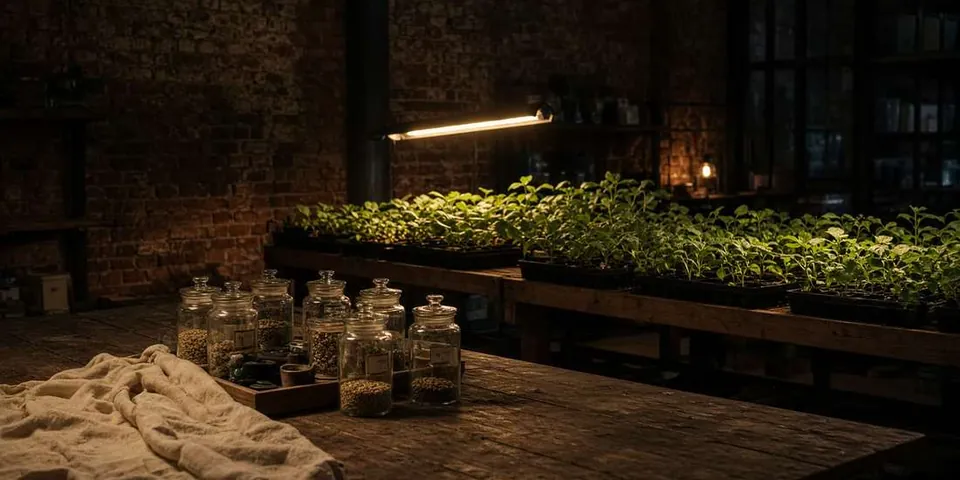
Phenotype selection is useful to an archive only when the observation stays attached to the plant, generation and parent record that produced it. A striking individual can begin a project, but it does not prove that every descendant will express the same way.
Our first-party notes therefore focus on repeatable identifiers: parentage, generation, structure, aroma descriptors, breeder attribution and whether the same broad traits were seen again in later selection records. This page documents that logic; it is not a cultivation procedure.
What belongs on the label
Lineage should be the recorded cross, not a mystery name added after the fact. Generation labels should only appear when the working record supports them. Test ranges and terpene notes are presented as observations from the material recorded, not promises for every seed in a pack.
Where a parent, breeder or generation cannot be verified from our own records, the archive should say that plainly rather than manufacture certainty.
Why small records matter
The goal is traceability. A collector should be able to move from a strain page to the Genetics Library and understand who made the line, what the immediate parents were and where a collaboration entered the family tree.
That is also why corrections are kept consistent across the catalogue, breeding page and editorial archive. One genetic story should not change depending on which page Google finds first.
Seeds are sold as souvenirs and for genetic preservation. 18+. Cultivation of cannabis is illegal in the UK without a Home Office licence. These notes are not a grow guide.