



Genetics · Published 27 Sep 2026 · Reviewed 27 Sep 2026 · 9 min
By Scouse Genetics archive team
Cannabis Genetics Takes Centre Stage in Detroit: Why Seed Assembly 2026 Matters for Breeders, Collectors and Genetic Preservation
Seed Assembly Detroit put breeders, seed swaps, provenance and genetic preservation at the centre of the conversation. Here is why that matters to the future of documented cannabis genetics.
The cannabis industry has spent years talking about potency, flavour, cultivation techniques and new strain releases. But one subject is increasingly moving back to the centre of the conversation: the genetics themselves.
Seed Assembly brought breeders, growers and collectors together at Eastern Market in Detroit on 26 September 2026 around that exact idea. The official event programme centred on genetics, direct breeder access, a community seed swap, education and the culture built around the people who create and preserve lines. For Scouse Genetics, that emphasis matters because a strain is more than a name on a packet. Its parents, breeder, generation, collaboration history and provenance are the record that makes the name useful years later.
Breeders are becoming part of the product story
One of Seed Assembly's strongest ideas is direct contact between the people making genetics and the people collecting them. Its Vendor Village was built around breeders, seed banks and genetics collectors, with the event promoting new releases, limited drops and established lines alongside the chance to speak directly with the people behind the work.
Cannabis genetics are not created by a logo. Behind every serious line is somebody making selections, keeping records, choosing parents and deciding what gets carried forward. Breeder identity is therefore part of provenance. A documented line should tell a collector who made it and how it relates to the work that came before it, rather than separating the product name from the breeder history that gives it context.
Why genetic diversity matters
Cannabis sativa contains substantial genetic and phenotypic diversity. Recent research continues to show how much useful variation sits within landraces and broader germplasm, including differences in flowering, plant architecture, chemistry and other inherited traits. That diversity is a resource for research and breeding, but only if it remains available and identifiable.
This is where preservation becomes more than nostalgia. Seed banks, living collections, landrace records and well-documented private archives can help prevent unique material from being reduced to a famous name with no traceable origin. Traditional and underrepresented populations matter because once genetic diversity is lost, a marketing description cannot recreate it.
Cannabis breeding is becoming more scientific
Modern cannabis breeding is increasingly being examined with the same tools used in other crops: genomic analysis, marker-assisted selection, population studies and controlled work on uniformity. Research published in 2026 on Cannabis landraces mapped genomic regions associated with dozens of phenological, morphological and phytochemical traits, while separate work on true F1 hybrid methodology demonstrated how homozygous parental lines can be used to produce more uniform seed-grown populations.
That science does not make traditional breeder knowledge obsolete. It gives breeders and archives another layer of evidence. The strongest future is likely to combine observation and selection experience with better genetic documentation, clearer generation records and scientific tools that can test what a breeding programme thinks it is preserving.
Why seed swaps still matter
Seed Assembly also placed a community seed swap at the heart of the event. The organisers describe it as a place for collectors, growers and breeders to trade genetics directly, with voluntary trades and no cash sales inside the swap area. The emphasis is on community, clear labelling and not misrepresenting genetics or packaging.
That matters because preservation is not only something that happens inside laboratories or commercial vaults. Genetics survive when material remains in responsible hands, when packs stay labelled, when the story behind a line travels with the seed and when collectors can distinguish a genuine provenance record from a name that has drifted away from its origin.
Heritage genetics and Jamaica
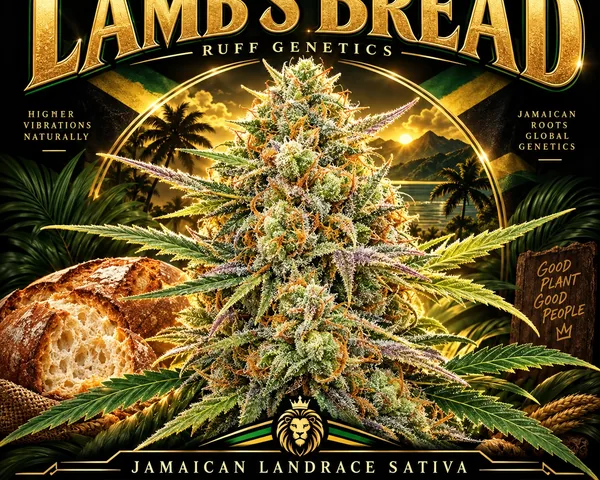
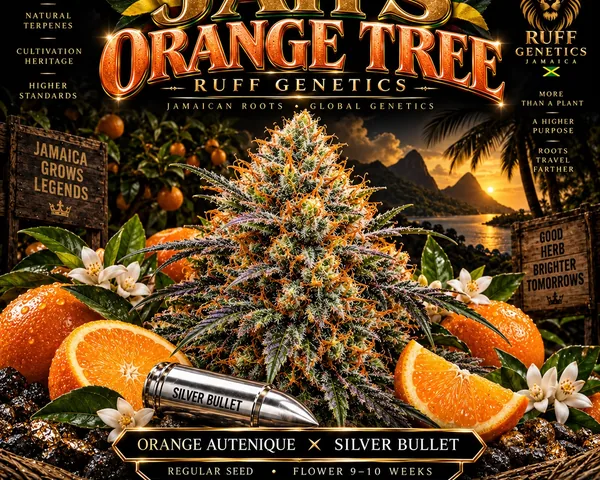
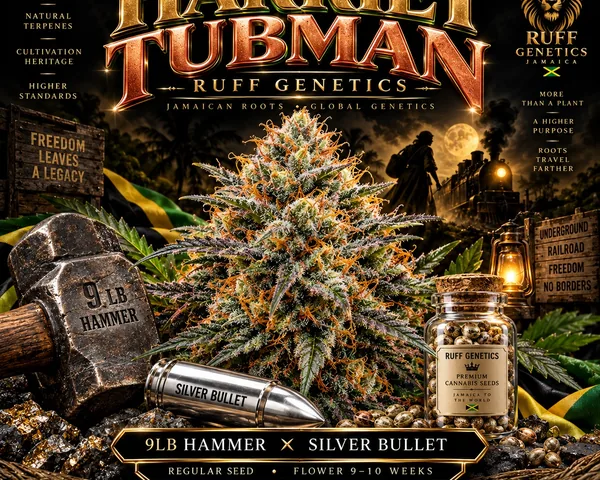
That preservation conversation connects directly with the Scouse Genetics relationship with Ruff Genetics in Jamaica. Our Liverpool-to-Jamaica story is important to the archive because it taught us that heritage genetics should be recorded with the people and places that preserved them, not stripped of that context when they enter a modern catalogue.
For the Jamaican side of the archive, the useful questions are simple: where did the material come from, who worked with it, which breeder owns the selection history, and how did later collaborations develop from it? Keeping Ruff Genetics credited beside the lines and keeping Jamaican provenance visible is part of preserving the genetic story rather than treating heritage material as anonymous raw material for a new brand name.
The rise of genetics archives
Seed Assembly sits inside a wider movement towards genetics registries and archives. Projects such as GenoVault are building systems around accession records, identity and preservation, while independent breeder archives are increasingly publishing family trees, parent records and historical notes that would once have remained private.
That trend matters because cannabis has spent decades with overlapping strain names, undocumented renaming and disputed provenance. No archive can solve every historic disagreement, but a better standard is possible going forward: record what is known, label what is uncertain, credit breeders clearly and keep corrections visible when the evidence changes.
The Scouse Genetics philosophy
That is the direction behind the Scouse Genetics Genetics Library. Each record aims to preserve the parents, generation, breeder or collaboration, characteristics and provenance attached to a line. The point is not to make every page look more technical. It is to stop useful information disappearing when a strain moves from a breeder's notes into a catalogue, a social post or a collector's pack.
A seed bank can sell a packet. A genetics archive should also preserve the relationships behind it. When a collector can move from a strain page into its parent cross, breeder attribution, Jamaica collaboration or related generation, the website becomes part catalogue and part historical record. That is the standard we want to keep building.
Where cannabis genetics goes next
The future of cannabis genetics is unlikely to belong to one single method. Old-school breeder knowledge still matters. Modern genomics and more disciplined population breeding matter. Physical preservation matters. Clear provenance matters. International collaboration matters. Community exchanges can matter too when the material is honestly labelled and the people behind it remain credited.
Seed Assembly is a useful sign of where the culture is moving: back towards the breeder, the seed, the record and the relationships behind the name. Markets will change and trends will change. The genetics remain the foundation.
Seeds are sold as souvenirs and for genetic preservation. 18+. Cultivation of cannabis is illegal in the UK without a Home Office licence. These notes are not a grow guide.