

Education · Published 27 Sep 2026 · Reviewed 27 Sep 2026 · 6 min
By Scouse Genetics archive team
Street Cannabis vs Medical Cannabis: Benefits, Risks and What Matters in the UK
An evidence-led UK guide to medical versus street cannabis: potential benefits, prescribing, product uncertainty and risks.
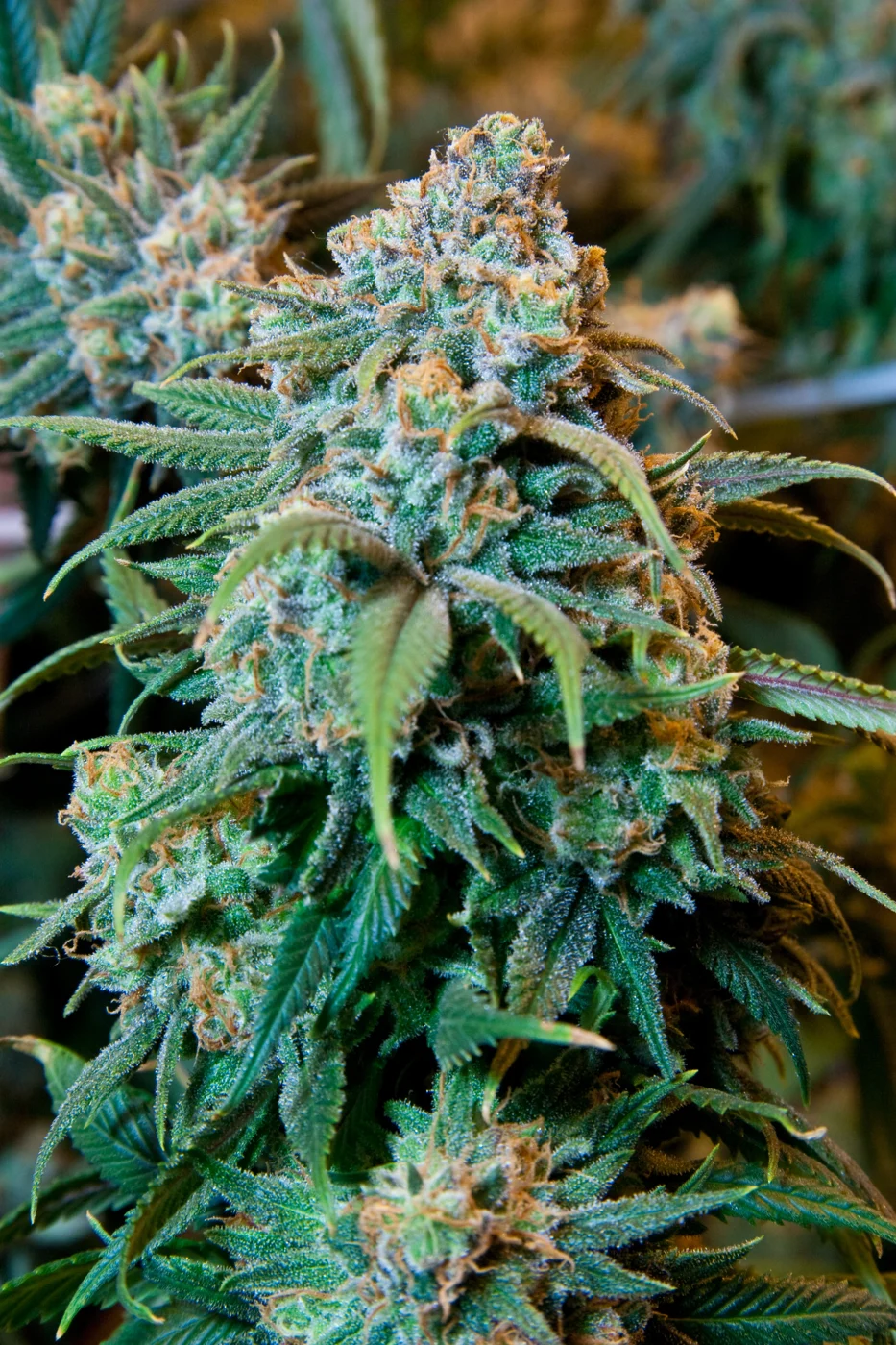
Two cannabis flowers can look similar while having very different histories. A photograph cannot tell you their chemical composition, whether they have been tested, or whether either is appropriate for a particular patient.
The useful comparison is therefore about evidence, supply, prescribing and accountability. This guide explains those differences without treating medical cannabis as a miracle cure or assuming every street product is contaminated.
What does medical cannabis mean?
Medical cannabis includes medicines containing cannabis-derived compounds. It is not one uniform treatment, and evidence for one preparation cannot automatically be applied to every oil or flower.
UK rules permit specialist prescribing of cannabis-based products for medicinal use where clinically appropriate. Calling a product “medical”, using it for symptoms, or buying it from someone who claims it is medicinal does not itself make it a prescribed medicine. [2]
NHS access and private prescribing are different routes. The NHS describes limited access, usually after other options are unsuitable or unsuccessful. A private consultation is not a guarantee of a prescription, and a prescription is not proof that a treatment works for everyone. [1, 3]
Where can cannabis-based medicines help?
The clearest examples are specific medicines for specific problems. Purified cannabidiol, marketed as Epidyolex, is used for certain severe epilepsies. Nabilone may help adults with chemotherapy-related nausea and vomiting when other medicines are unsuitable or ineffective. Nabiximols, or Sativex, is used for certain adults with MS-related spasticity. These are not interchangeable with unregulated cannabis. [1]
Chronic pain requires particular care in how benefits are described. NICE does not recommend THC, THC/CBD combinations, nabilone or dronabinol for chronic pain, and limits CBD for this purpose to clinical trials. This population-level guidance should not be confused with a claim that nobody reports relief or that specialist private prescribing never occurs. [4]
A responsible conversation asks what improvement is realistically expected, how it will be measured, and when treatment should be reviewed or stopped. A treatment that helps one symptom may still create side effects that outweigh that benefit.
The benefits of a clinical pathway
Clinical care provides a way to assess the person as well as the product. The Care Quality Commission expects appropriate specialist expertise when prescribing cannabis-based medicinal products. It also warns that most such products are unlicensed medicines: they have not necessarily undergone the same assessment for safety, quality and effectiveness as licensed medicines. “Prescribed” must never be presented as “risk-free”. [3]
The practical value of a clinical pathway is accountability. Patients should know who prescribed the medicine, who supplied it, how to contact the care team and how treatment will be reviewed. Those questions matter more than a strain name, a fashionable label or attractive packaging.
For a patient, useful questions include: What is the goal of treatment? Why this product? What are the alternatives? What follow-up is included? What will the total cost be? What happens if it does not help?
Why street supply creates uncertainty
The NHS warns that street cannabis can have unknown ingredients, strength and quality. THC-containing products can carry risks of dependence and psychosis; higher THC increases those concerns. [1]
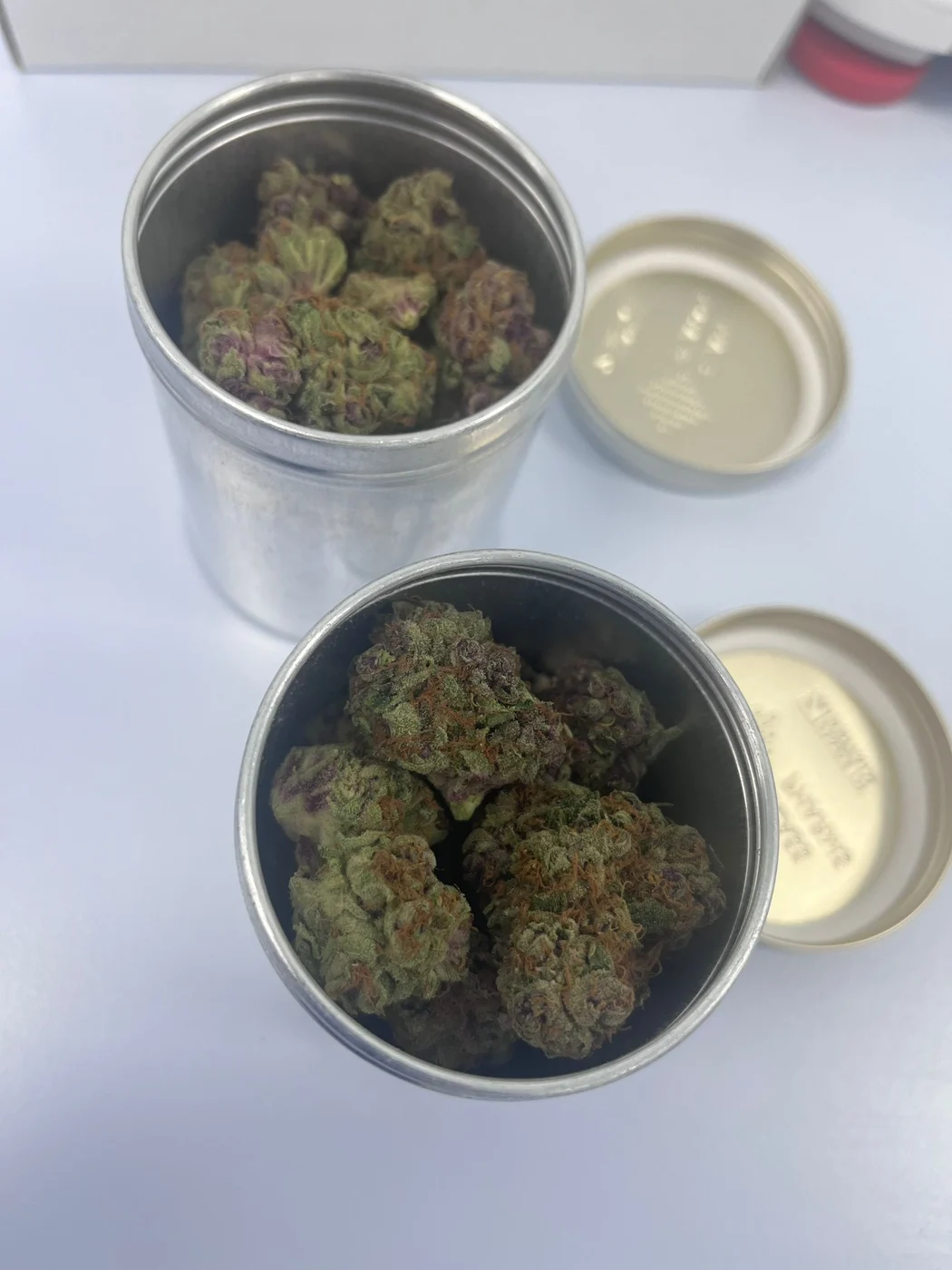
The central disadvantage is uncertainty. A seller’s description is not a substitute for traceable product information. Smell, colour, dense flowers and visible resin do not establish a dose or demonstrate that a batch is suitable for someone’s medical needs.
It would also be misleading to label every unregulated sample “contaminated” without testing. The more defensible point is that a buyer may lack reliable evidence about what is present. Equally, an attractive photograph cannot demonstrate that a product is clean. Neither image in this article is presented as evidence of contamination or illegal activity.
Using an unknown product to manage symptoms also leaves important questions unanswered: what is causing the symptoms, what other treatment might help, and how will benefits and harms be assessed? These are reasons to seek clinical advice rather than rely on product claims.
Medical cannabis still has disadvantages
Possible adverse effects include tiredness, dizziness, nausea and mood changes. CBD and THC can interact with other medicines, and CBD may require liver monitoring. Discuss side effects and interactions with the prescribing team. [1]
Cost, appointments, follow-up and access are also practical considerations. Before paying for an assessment, ask what is included and whether ongoing reviews and dispensing are charged separately. Avoid assuming that paying for a consultation guarantees a particular medicine.
Keep expectations specific. “Will this improve my ability to manage this symptom?” is a more useful question than “Is cannabis good or bad?” The answer depends on the condition, preparation, evidence and individual patient.
Does prescription flower prove all cannabis has the same benefits?
No. The existence of a prescribed flower product does not mean an unregulated flower with a similar appearance or name has equivalent contents or clinical effects.
Likewise, a study of a purified medicine cannot establish the effectiveness of an unrelated consumer oil. When reading a health claim, ask which product was studied, for which condition, in how many people and against what comparison. Testimonials may describe real experiences, but they do not answer all of those questions.
This is why responsible education should explain uncertainty alongside potential benefits. It should help readers ask better questions, rather than steer them towards a purchase.
The UK legal distinction
Cannabis remains controlled in the UK. A lawful medical route depends on the relevant prescribing and supply rules; a seller’s assurance that something is “medical grade” is not enough. The Home Office’s cannabinoid factsheet explains the controlled-drug framework and specialist prescribing provisions. [2]
If you already have a prescription, follow the instructions from your prescriber and pharmacist. Seek individual advice about travel or other circumstances where possession rules may differ. Do not assume that legal access in one country establishes legal access elsewhere.
What readers should take away
The strongest case for a medical pathway is the combination of a defined clinical purpose, identifiable supply and professional responsibility. The strongest concern about street supply is the uncertainty surrounding the product and the absence of that clinical relationship.
Neither a prescription nor a photograph promises a good outcome. Evidence, suitability and follow-up matter. Anyone considering cannabis to manage symptoms should discuss their circumstances with a qualified clinician.
Scouse Genetics editorial note: this article provides general education. It does not offer diagnosis, prescribe treatment or advertise a medical cannabis service. The photographs are third-party editorial images, not Scouse Genetics products or facilities.
Seeds are sold as souvenirs and for genetic preservation. 18+. Cultivation of cannabis is illegal in the UK without a Home Office licence. These notes are not a grow guide.